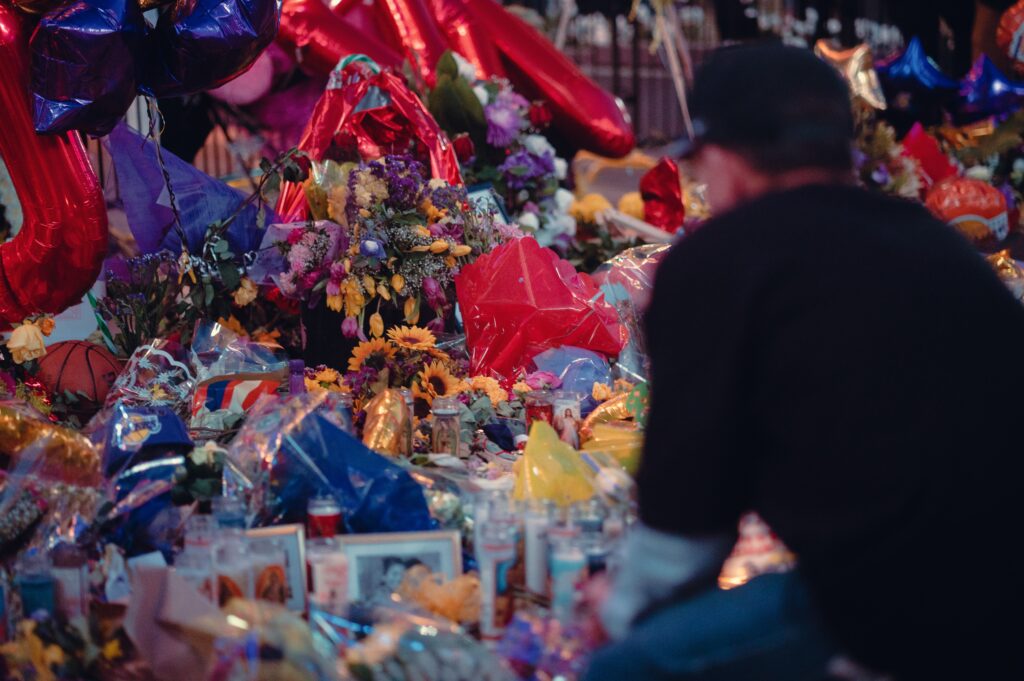
Hearing the news of a mass shooting can have a deep and lasting impact on you. Hearing the first hand accounts from witnesses, seeing graphic images, and hearing 911 recordings and these events play out in real time can effect you emotionally, psychologically, and even physically. Effects from watching a mass shooting unfold is something known as secondary trauma and it can be effecting you and your life in more ways than you realize.
What is Secondary Trauma?
Secondary trauma refers to the emotional stress and physical symptoms that can arise from hearing about or witnessing the traumatic experiences of others, rather than experiencing the traumatic event directly yourself.
This can affect people who work closely with trauma survivors, such as healthcare professionals, first responders, social workers, therapists, and journalists but this can also occur when you see or hear about a traumatic event through the media.
Mass shootings are extremely traumatic events for those who are directly impacted but they can also be traumatic for those who witness or hear about them through the news or social media.
Hearing about and witnessing the emotional pain and suffering of others is a level of exposure. Even second hand exposure to graphic scenes of violence and death, can lead to symptoms of secondary trauma. This is especially the case nowadays when traumatic events are playing out in real time- sometimes even live streamed right in the palms of our hands.
It’s important for anyone who has had exposure to a traumatic event playing out in the media to be aware of the signs and symptoms of secondary trauma. Keep reading to learn what to be aware of.
Signs and Symptoms of Secondary Trauma
Emotional symptoms: feelings of sadness, fear, anger, anxiety, and depression; insomnia, increased irritability, mood swings, feeling emotionally numb, disconnected, or having feelings of isolation. You may even feel a decreased ability to feel empathy.
Physical symptoms: headaches; fatigue; trouble sleeping; changes in appetite; muscle tension; stomach upset.
Cognitive symptoms: difficulty concentrating; memory problems; intrusive thoughts or images related to the traumatic event.
Behavioral symptoms: avoiding reminders of the traumatic event; feeling paranoid or threatened in public, increased use of substances; social withdrawal; difficulty performing work-related tasks, trouble focusing, and an increase in numbing behaviors such as scrolling social media or binging TV shows.
Relationship symptoms: feeling detached or disconnected from others; difficulty forming or maintaining close relationships; decreased empathy or compassion for others.
If you are experiencing any of these symptoms after exposure to a traumatic event, it’s important to seek support and care. This may include talking to a mental health professional, reaching out to a support group, or engaging in self-care activities. Remember, even though you did not directly experience the event, does not mean it isn’t impacting your well-being.
How to Cope in the Wake of a Mass Shooting
The aftermath of a mass shooting can be emotionally overwhelming, even for those who are not directly involved in the event. Here are some tips on how to cope with difficult feelings after a mass shooting:
Limit media exposure: While it’s important to stay informed about what happened, it’s also important to take breaks from watching or reading the news. Constant exposure to media coverage of the shooting can intensify your feelings.
Seek support: Talk to friends, family, or a mental health professional about your feelings. It’s important to receive support from others who understand what you’re going through and can relate.
Practice self-care: Engage in activities that help you feel calm and relaxed, such as exercise, meditation, or spending time in nature. Eat a healthy diet and get enough sleep.
Take action: Consider volunteering with a local organization that works to prevent gun violence, donating to a related cause, or advocating for policy change. Taking action can help you feel empowered and give you a sense of purpose.
Be kind to yourself: Remember that it’s normal to feel a range of emotions after a mass shooting. Be kind to yourself and give yourself permission to take the time you need to process your feelings.
Avoid unhealthy coping mechanisms: Use coping skills that will help you to regulate your feelings in a healthy way. Try your best to avoid substances to cope with your emotions or numbing activities.
Express your feelings: Don’t keep your feelings bottled up. It’s important to express your emotions in healthy ways in order to benefit your well-being.
Stick to a normal routine: Your day to day activities may seem trivial in the wake of such a senseless tragedy but it’s important to keep up with your typical activities. A sense of normalcy is important when coping with such a traumatic event.
Even though you were not directly impacted by a traumatic event, does not mean you are not impacted. It’s important to know the signs and symptoms, become aware if you are experiencing secondary trauma and to seek out help.
Mass shootings happen so frequently in the United States that it is possible you are being repeatedly triggered and the symptoms of secondary trauma are compounding or resurfacing every time there is a mass shooting. Take are of yourself and seek out support.